From Service to Civilian Life, How Veterans Can Navigate the Transition with Confidence
Transitioning from military to civilian life is one of the biggest challenges veterans face. Discover practical strategies to navigate the shift with purpose, clarity, and confidence.
The Military-to-Civilian Transition Is Real, And It's Harder Than Most People Think
Every year, nearly 200,000 service members transition out of the U.S. military. For many, the shift from a highly structured, mission-driven environment to civilian life can feel disorienting, even isolating. The skills, discipline, and leadership you developed during your service are invaluable. But knowing how to translate that experience into civilian language, culture, and opportunity is a challenge that too few people talk about openly.
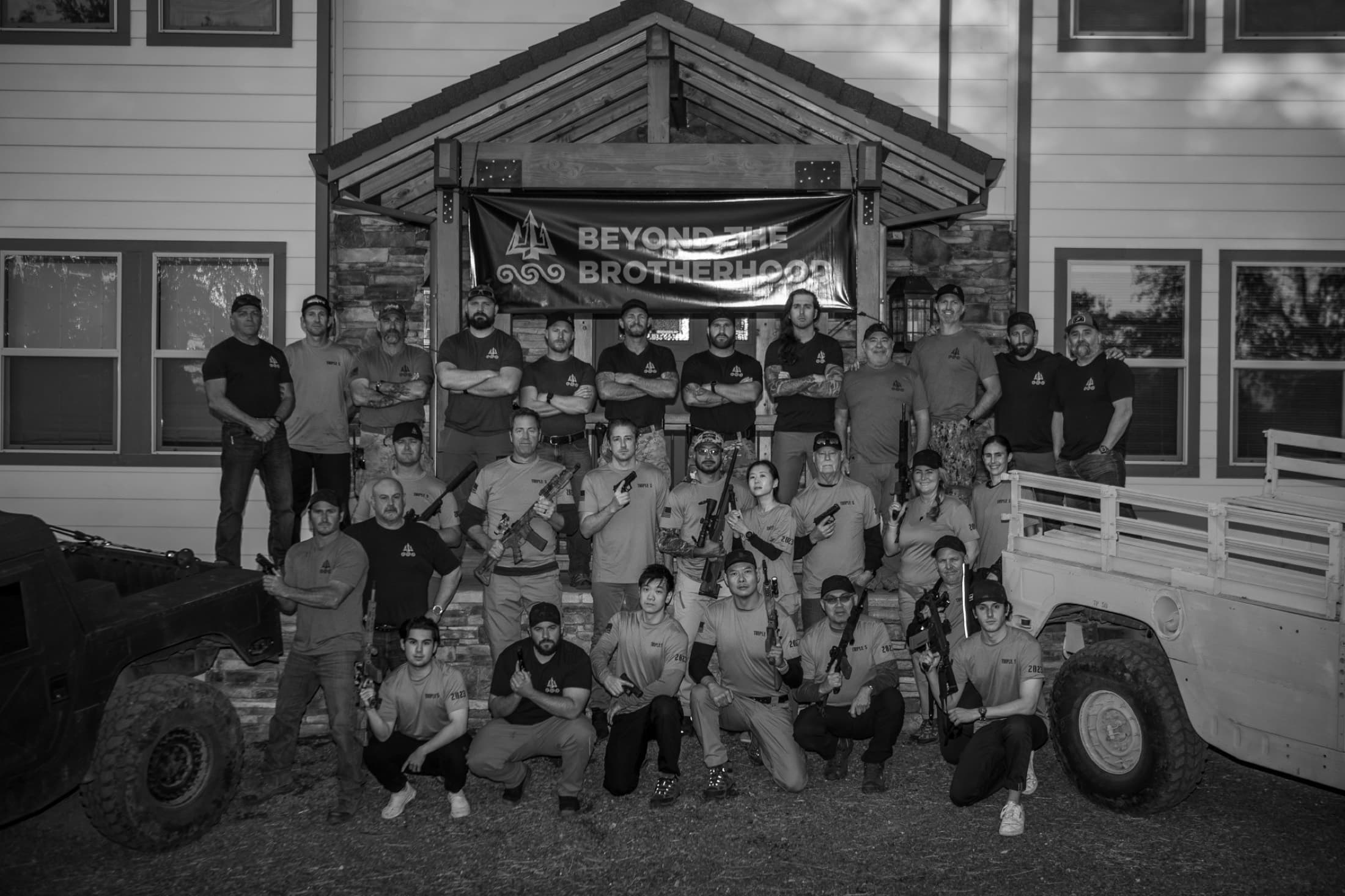
At Beyond the Brotherhood, we believe the transition doesn't have to be a struggle. With the right resources, community, and mindset, veterans can step into civilian life not just prepared, but positioned to lead.
Why the Transition Is So Challenging
The military provides more than a job. It provides identity, community, structure, and purpose. When those pillars are removed simultaneously, many veterans experience what researchers call "transition stress", a combination of identity disruption, loss of community, and uncertainty about the future.
Common challenges include:
- Translating military skills into civilian resume language
- Navigating unwritten workplace norms that differ vastly from military culture
- Finding community after leaving the tight-knit bonds of service
- Managing mental health during a period of major life change
Understanding these challenges is the first step toward overcoming them.
5 Practical Strategies for a Successful Transition
1. Start Before You Separate
The most successful transitions begin 12–18 months before a service member's end of active duty date. Use this time to research career fields, build a civilian network, and take advantage of programs like the Department of Defense's Transition Assistance Program (TAP).
2. Translate Your Experience, Don't Minimize It
Veterans often undervalue what they bring to the table. Leadership under pressure, cross-functional team management, logistics, crisis response, these are elite competencies. Work with a mentor or career coach who understands military experience to craft a resume and narrative that resonates with civilian hiring managers.
3. Find Your Tribe
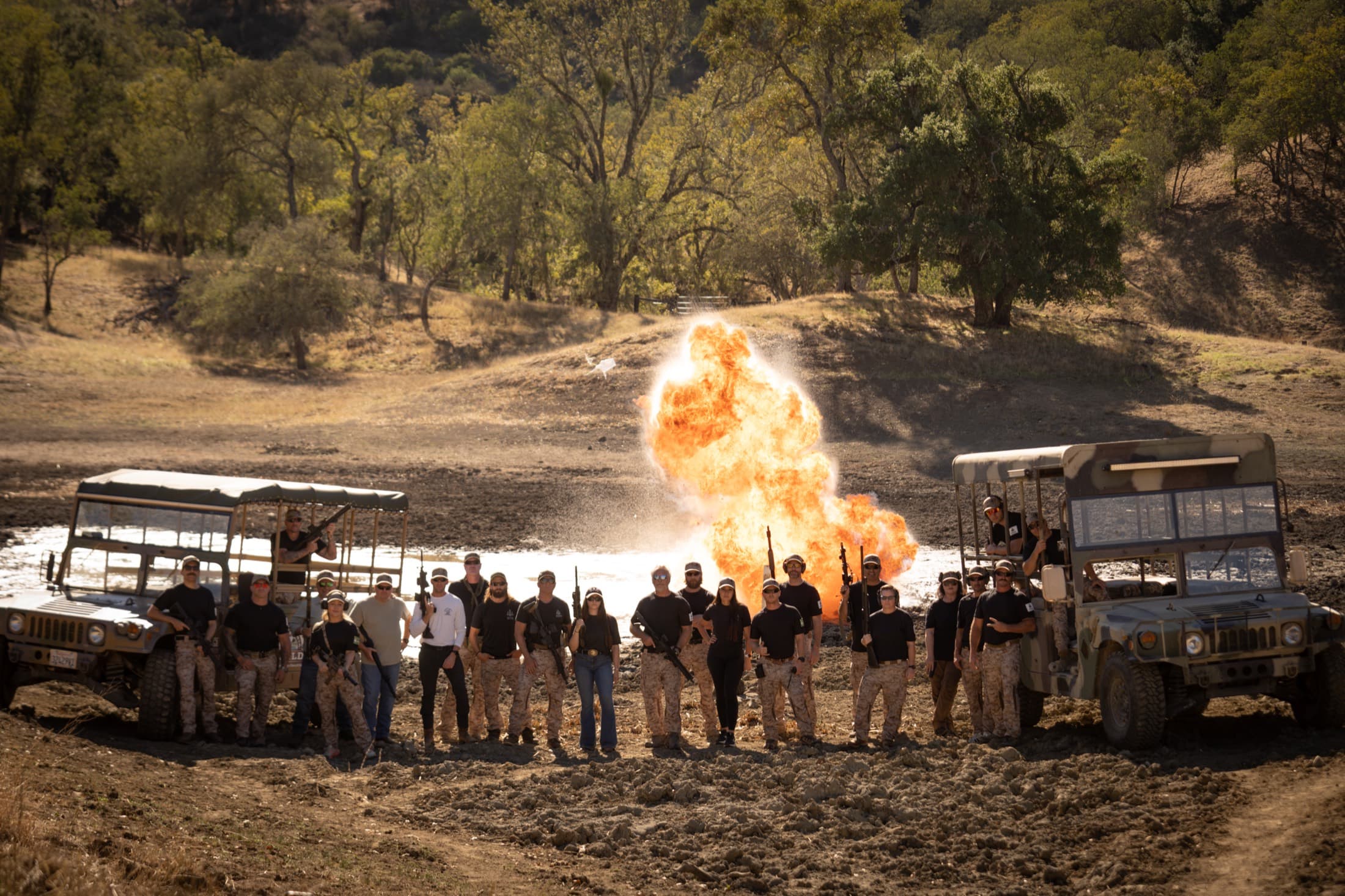
The loss of brotherhood and unit cohesion is one of the most painful parts of leaving the military. Seek out veteran-focused organizations, networking groups, and communities, both in-person and online, where you can stay connected with people who understand your experience.
4. Embrace a Learning Mindset
Civilian workplaces operate differently, and that's okay. Approach the transition as a new mission with a new operating environment. Ask questions, observe, and be willing to adapt without abandoning the values that made you effective in uniform.
5. Don't Walk the Road Alone
The transition is not a solo mission. Lean on mentors, peer support networks, and organizations like Beyond the Brotherhood that are built specifically to support veterans in this critical chapter.
You Served. Now It's Time to Thrive.
The military-to-civilian transition is not an ending, it's a redeployment. Your mission has changed, but your capacity for excellence has not. The key is surrounding yourself with the right support system and taking that first step forward with intention.
Beyond the Brotherhood exists to walk that road with you. Connect with our community and discover how veterans across the country are turning their service into their greatest civilian asset.